How Positive Reinforcement Changes Things In The Classroom
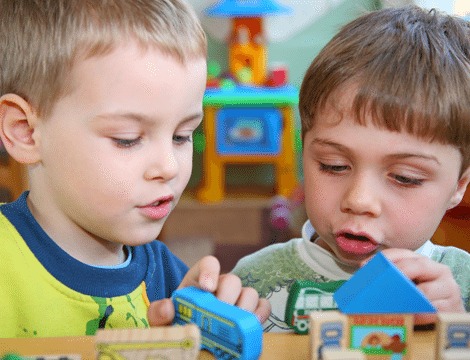
A single word of praise can change the entire mood of a room. A simple smile from the teacher can encourage a hesitant student to try again. These small actions create a space where children feel safe to make mistakes. This approach focuses on catching students doing things right.
When a classroom uses this method, learning becomes a shared and joyful activity. It is the foundation of a quality nursery Jumeirah.
The ripple of recognition:
Recognition acts like a stone dropped in still water. A verbal acknowledgment of effort creates waves that spread to neighboring students. They see their classmate being appreciated and want to earn similar positive feedback. This subtle shift moves the group dynamic from competition to cooperation. The classroom atmosphere becomes lighter and more supportive. Students begin to encourage each other instead of pointing out errors.
Building inner drive:
External rewards are useful, but the real change happens inside the student. Positive feedback helps a child connect effort with a good feeling. They start to work hard because it feels good, not because they are scared of punishment. This inner drive is stronger and lasts longer. They begin to set their own goals and work to reach them. This self-motivation becomes a lifelong habit.
A safe space for trying:
A classroom with positive reinforcement is a safe place to fail. Students know that a wrong answer is just a step in learning. The teacher responds to errors with gentle guidance, not harsh criticism. This safety allows students to take academic risks. They raise their hands and share ideas without fear. Their thinking grows because they are allowed to explore.
Strengthening relationships:
Positive words build strong bridges between the teacher and the student. When a teacher points out what a student did well, trust develops. The student sees the teacher as an ally in their education. This respectful relationship creates a calmer and more orderly classroom. Students are more willing to listen and follow instructions. They respect the teacher who shows them respect.
Reducing disruptive behavior:
Negative attention often fuels disruptive behavior. A child acting out may simply want to be noticed. Positive reinforcement changes this dynamic by giving attention for good behavior. The teacher praises a student who is sitting quietly and working. This action shows the class the correct way to behave. The disruptive students see that good behavior gets them positive attention. This simple tactic reduces classroom management issues significantly.