How Interior Design Consultants See Space Differently Than You Do
An empty room looks like a blank page to most people. You see walls, a floor, and a ceiling. An interior design consultant sees volume, light paths, and human movement. They notice how air flows and where shadows fall at different times.
This skill turns ordinary places into functional, comfortable areas. In this article, we highlight how an interior design consultant Dubai views space differently.
Visual weight:
A professional looks at a room and sees how heavy items appear. A dark sofa might seem to take up too much room, even if it fits the floor plan. They balance these visual loads to make the area feel steady. This skill prevents a room from looking tipped to one side or too crowded in one corner.
Light as a tool:
While others see a window as a way to see outside, experts see it as a light source that changes throughout the day. They know how shadows fall and how different colors react to sunbeams. They use lamps and mirrors to make dark spots disappear. This creates a bright atmosphere without needing extra electricity.
Scale and size:
People often buy furniture that is too big or too small. A consultant looks at the height of the ceiling and the width of the floor to find the right match. They ensure every piece of furniture fits well together. This makes a small room feel open and a large room feel cozy.
Negative space:
Empty areas are just as important as the furniture itself. An expert values the gaps between tables and chairs. These open paths allow people to move easily without bumping into corners. Keeping some areas clear makes the finished room look polished and organized.
Material layers:
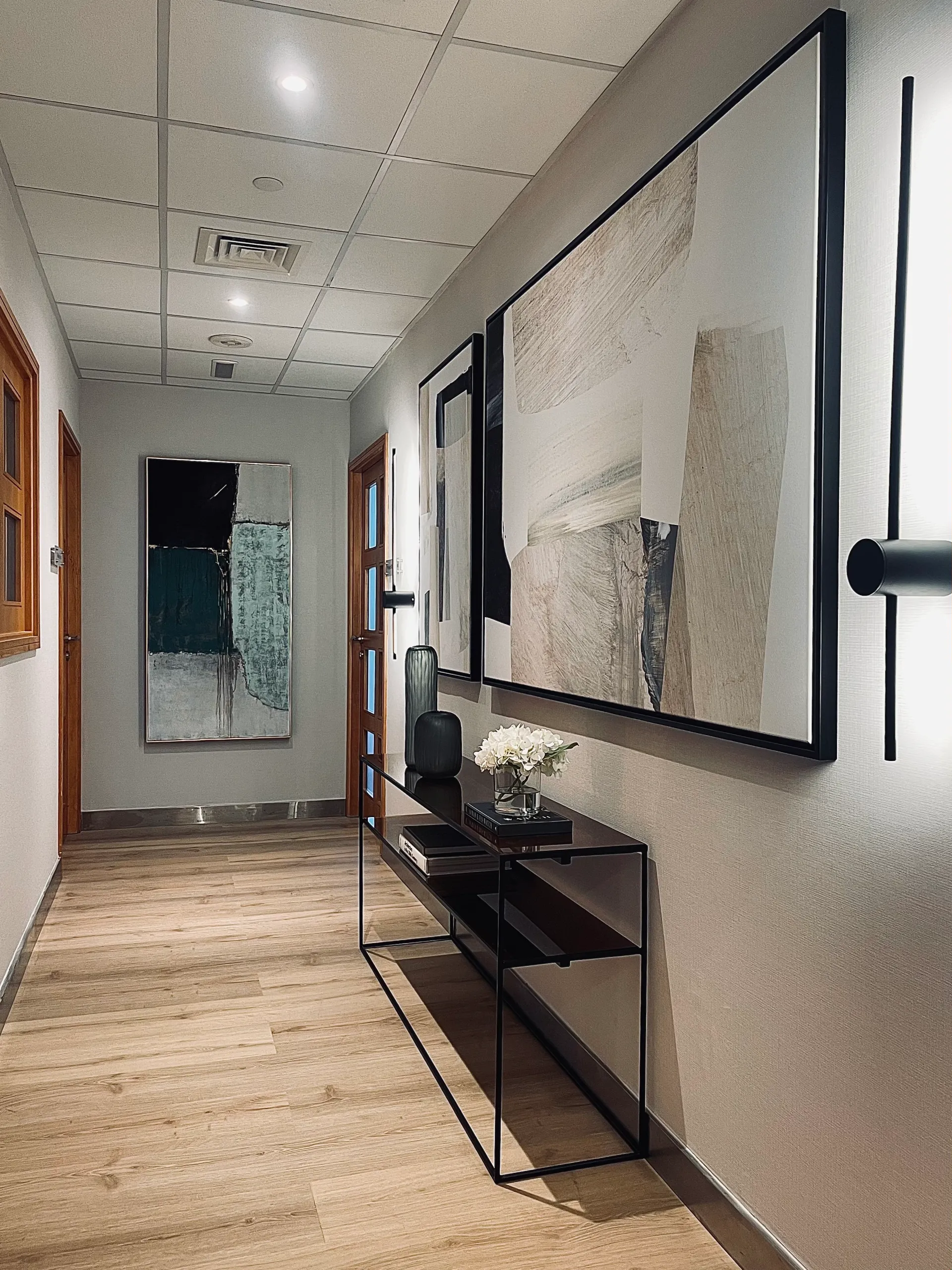
Looking at a room involves seeing beyond just paint. Professionals look at how wood, cloth, and stone work together. They mix different textures to add interest without using bright colors. This creates a rich environment that feels good to touch and see.
Eye paths:
A well-planned room guides where a person looks first. Designers create a focal point, like a fireplace or a large window, to anchor the vision. They arrange items to lead the eyes around the room in a smooth way. This prevents the area from looking messy or confusing to visitors.